
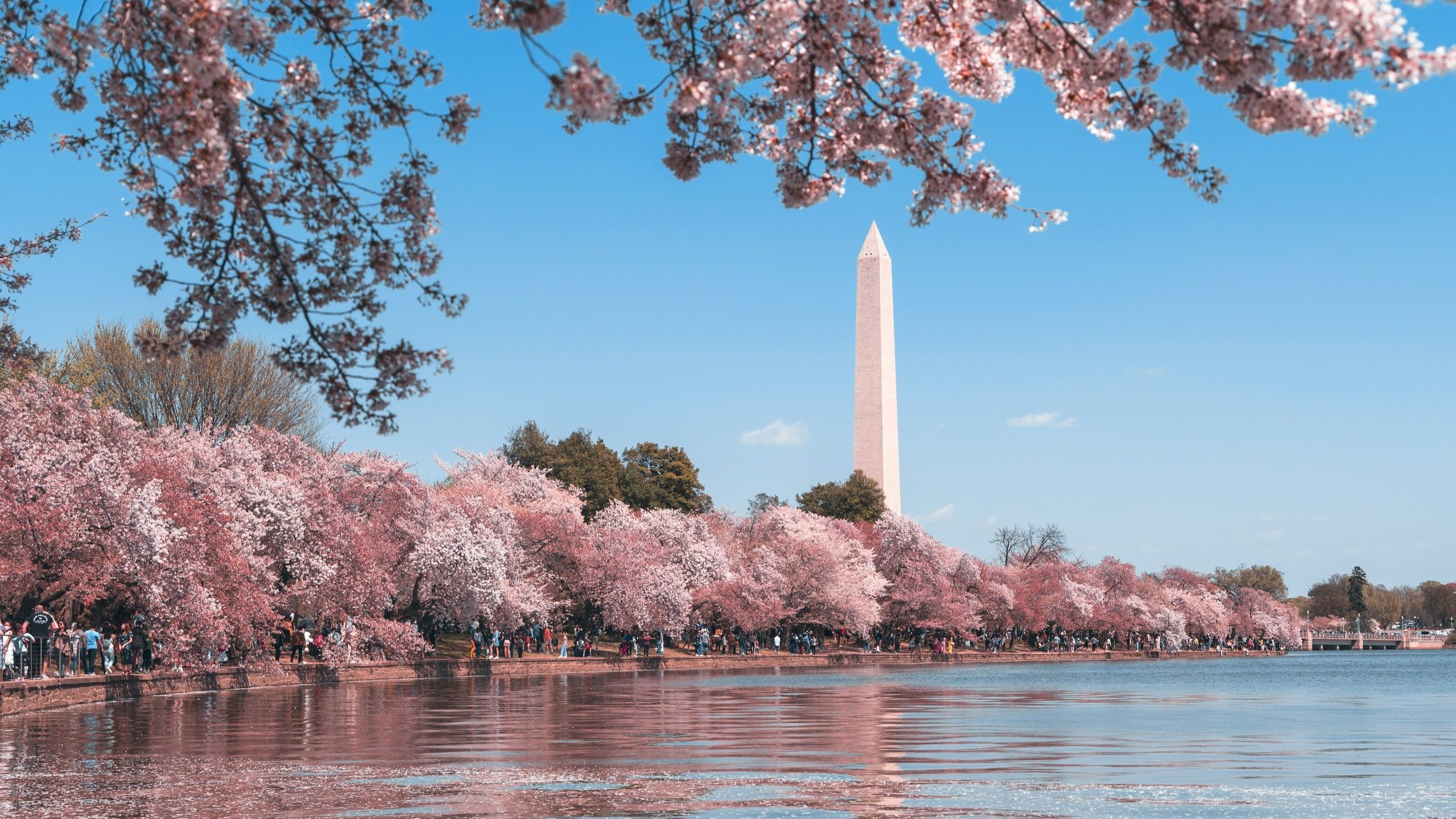
The Guide to Living in Washington, D.C.
A charming city along the Potomac River with unmatched culture and history
THE GUIDE TO LIVING IN WASHINGTON. D.C.
The History of Washington, D.C.
The origins of Washington, D.C. begin in 1790, when the 1st United States Congress adopted the Residence Act, which designated a federal district along the Potomac River.
Signed into law by President George Washington, the first president commissioned Pierre Charles L’Enfant to lay out a capital befitting a new republic.
L’Enfant’s sweeping avenues, ceremonial vistas, and squares established a framework that still organizes life here: the Capitol and White House as focal points, monumental axes creating sightlines, and a cityscape that signals authority.
Throughout the 19th century, Washington, D.C. oscillated between provincial backwater and national theater. It was a military and bureaucratic hub, with its institutions expanding along with that of the republic.
The Civil War accelerated federal growth. The capital swelled with personnel, contracts, and infrastructure. Postwar, Washington, D.C. attracted architects, planners, and philanthropists intent on refining its symbolic architecture. The City Beautiful movement and the McMillan Plan of 1901 reasserted the L’Enfant vision, smoothing streets, completing the National Mall, and codifying the aesthetics of present day Washington, D.C..
The 20th century entrenched Washington, D.C. as the engine of modern governance and international diplomacy. New federal agencies, monuments, and diplomatic missions altered both the scale and social composition of the city.
Indeed, during and after World War II an expanding federal workforce and the rise of think tanks and law firms created a durable professional class. And by mid-century the city’s elite was defined less by inherited landed wealth and more by public service, policy influence, and professional networks — a pattern that persists.
Like other American cities, Washington, D.C. wrestled with segregation and demographic shifts in the postwar decades, most notably following the assassination of Martin Luther King Jr., which saw much of the city’s urban core set ablaze.
In the late 20th and early 21st centuries, however, targeted public and private investment spurred large-scale urban revitalization to include waterfront redevelopment, the introduction of new cultural institutions, and an abundance of luxury residential conversions and boutique hospitality projects which transformed neighborhoods from Georgetown and Dupont Circle to Shaw, Navy Yard, and Logan Circle.
Today’s Washington, D.C. is a global capital with diverse appeal. Federal power remains central, as the institutions of statecraft, law and national security draw the world’s best and brightest minds, while the local economy now includes finance, technology, education, and a robust philanthropic sector. The presence of world-class museums, four-season cultural programming, fine dining, and curated retail aligns with expectations for upscale urban life, while parks, riverfront promenades, and discreet enclaves offer privacy and respite.

THE HOMES COLLECTION
The Homes of Washington, D.C.
Explore a curated collection of the most iconic homes in Washington, D.C.
THE GUIDE TO LIVING IN WASHINGTON, D.C.
Frequently Asked Questions
Explore common questions about life in Washington, D.C., including the best, neighborhoods, restaurants, and more.
IS WASHINGTON, D.C. A GOOD PLACE TO LIVE?
Regarded as one of the most beautiful cities in the United States, with ample amenities, transportation, and career options, Washington, D.C. is among the best places to live in the Mid-Atlantic.
WHAT IS THE SCHOOL DISTRICT FOR WASHINGTON, D.C.?
Residents of Washington, D.C. attend District Of Columbia Public Schools. In addition, residents of Washington, D.C. enjoy an abundance of private schools for primary, middle, and high school as well as world-class undergraduate and post-graduate colleges and universities, including Georgetown University, American University, and George Washington University.
HOW MANY PEOPLE LIVE IN WASHINGTON, D.C.?
According to the 2020 Census data, Washington, D.C. has a population of 701,527 people, including a median age of 39 and a median household income of $98,902.
WHAT IS THE PROPERTY TAX RATE FOR WASHINGTON, D.C.?
Property taxes for Washington, D.C. are calculated per every $100 of assessed value. For 2024, the rate is $0.85.
HOW MUCH DOES IT COST TO BUY A HOME IN WASHINGTON, D.C.?
The average sale price for a detached single family home in Washington, D.C. is $1.51 Million, which is roughly five times the national average of $308,980. One of the more interesting elements of Washington, D.C. lies in the diversity of housing available, including condo and co-op buildings, which tend to be more affordable — whereas single family homes tend to be more expensive. Ready to buy the home of your dreams? Browse homes for sale in Washington, D.C. presented by Sotheby’s International Realty.
WHAT ARE THE BEST PLACES TO BUY FURNITURE AND HOME DECOR IN WASHINGTON, D.C.?
There are a variety of places to buy furniture and home decor in Washington, D.C., including vintage furniture, antique furniture, and modern furniture. In Logan Circle, GoodWood and Salt & Sundry offer a fun variety of vintage of new elements for the home. In Georgetown, Cady’s Ally offers an abundance of high-end furniture stores.
WHAT ARE THE BEST NEIGHBORHOODS IN WASHINGTON, D.C.?
Washington, D.C. is divided into four specific quadrants, each of which offers its own unique personality. For many the Northwest quadrant of Washington, D.C. is an ideal location for everyday living, and includes neighborhoods like The Palisades, Georgetown and Logan Circle. In the Southeast quadrant of Washington, D.C., neighborhoods like Capitol Hill are among the city’s most popular. Overall, Washington, D.C. prides itself on being a highly-livable and walkable city with many housing options for budgets of all sizes.
WHAT ARE THE BEST RESTAURANTS IN WASHINGTON, D.C.?
Washington, D.C. is regarded as one of the best culinary destinations in the United States, offering an abundance of dining options for every price point and across multiple cultures. For fine dining, restaurants like Chef Jeremiah Langhorne’s award-winning The Dabney in Shaw offers an extraordinary experience for special occasions. For more casual options, YELLOW in Georgetown offers an exciting take on modern Mediterranean fare. In Logan Circle, the acclaimed French brasserie Le Diplomate offers a vibrant fine dining experience in one of Washington, D.C.’s most desirable neighborhoods. In Cleveland Park, La Piquette offers a cozy French-inspired environment, while in Downtown Washington, D.C., The Occidental serves as a quintessential white table cloth landmark for fine dining and special occasions.
THE GUIDE TO LIVING IN WASHINGTON, D.C.
Popular Destinations in Washington, D.C.
From historic Georgetown to leafy Capitol Hill, discover the most iconic destinations in Washington, D.C.
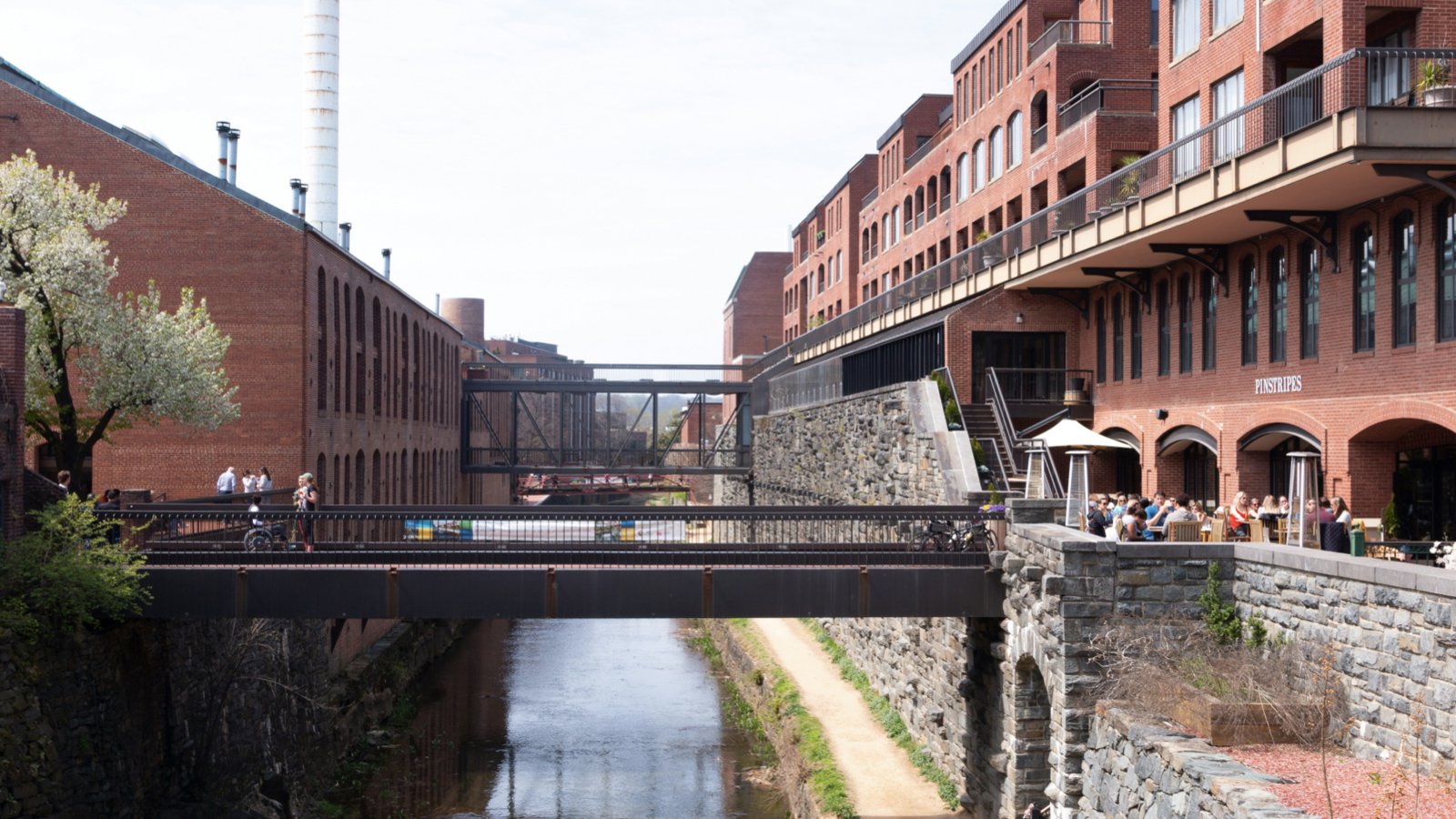
The Chesapeake and Ohio Canal in Georgetown, Washington, D.C. Image courtesy of Yeon Choi.

Poplar Cloud of The Palisades, Washington, D.C. Image courtesy of Ty Cole.
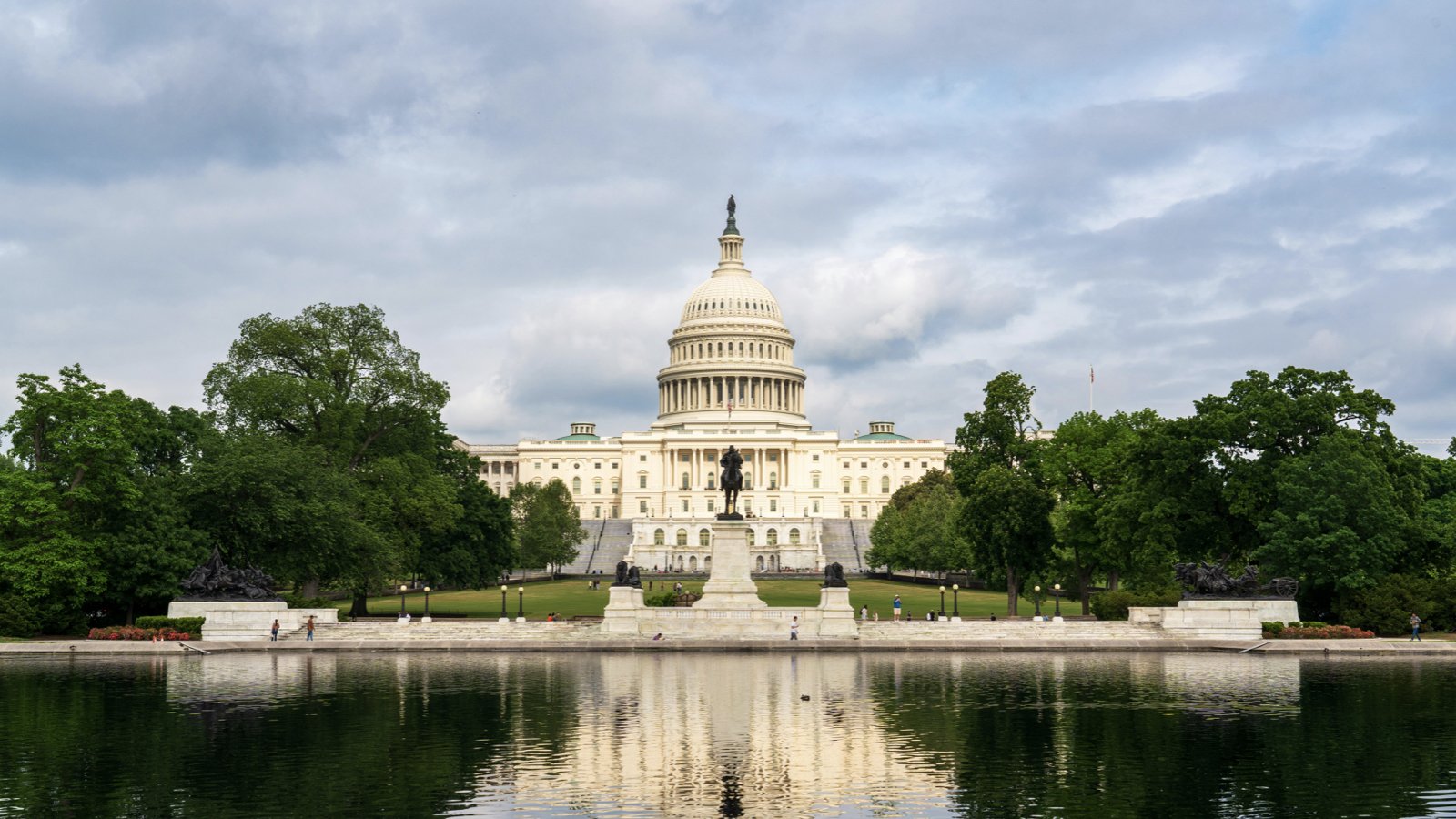
The United States Capitol Building. Image courtesy of Tomasz Zielonka.

THE RAPPAHANNOCK RIVER COMPANY
Create Your Next Home in Washington, D.C.
With our premium concierge service, it’s never been easier to create the home of your dreams